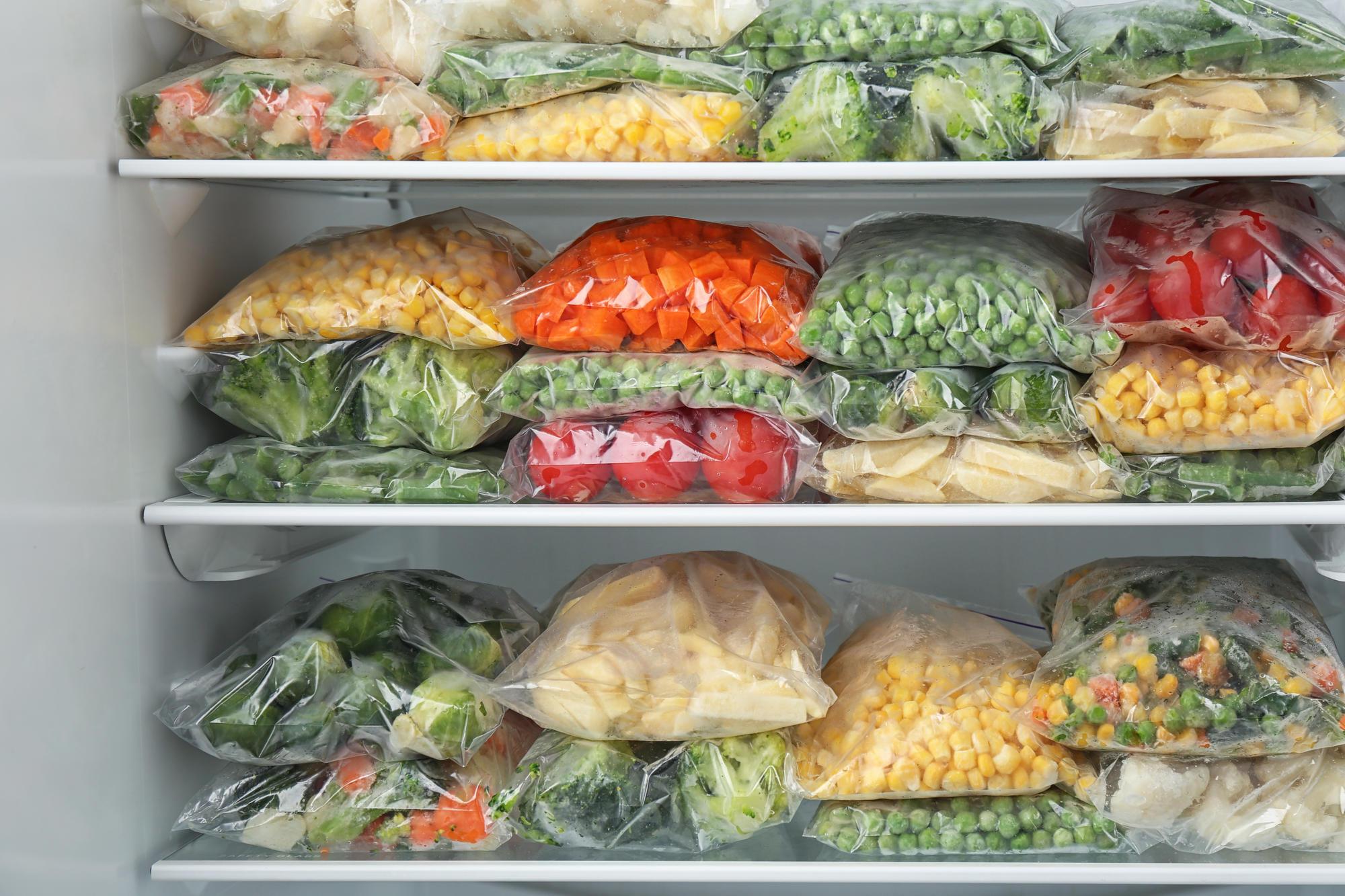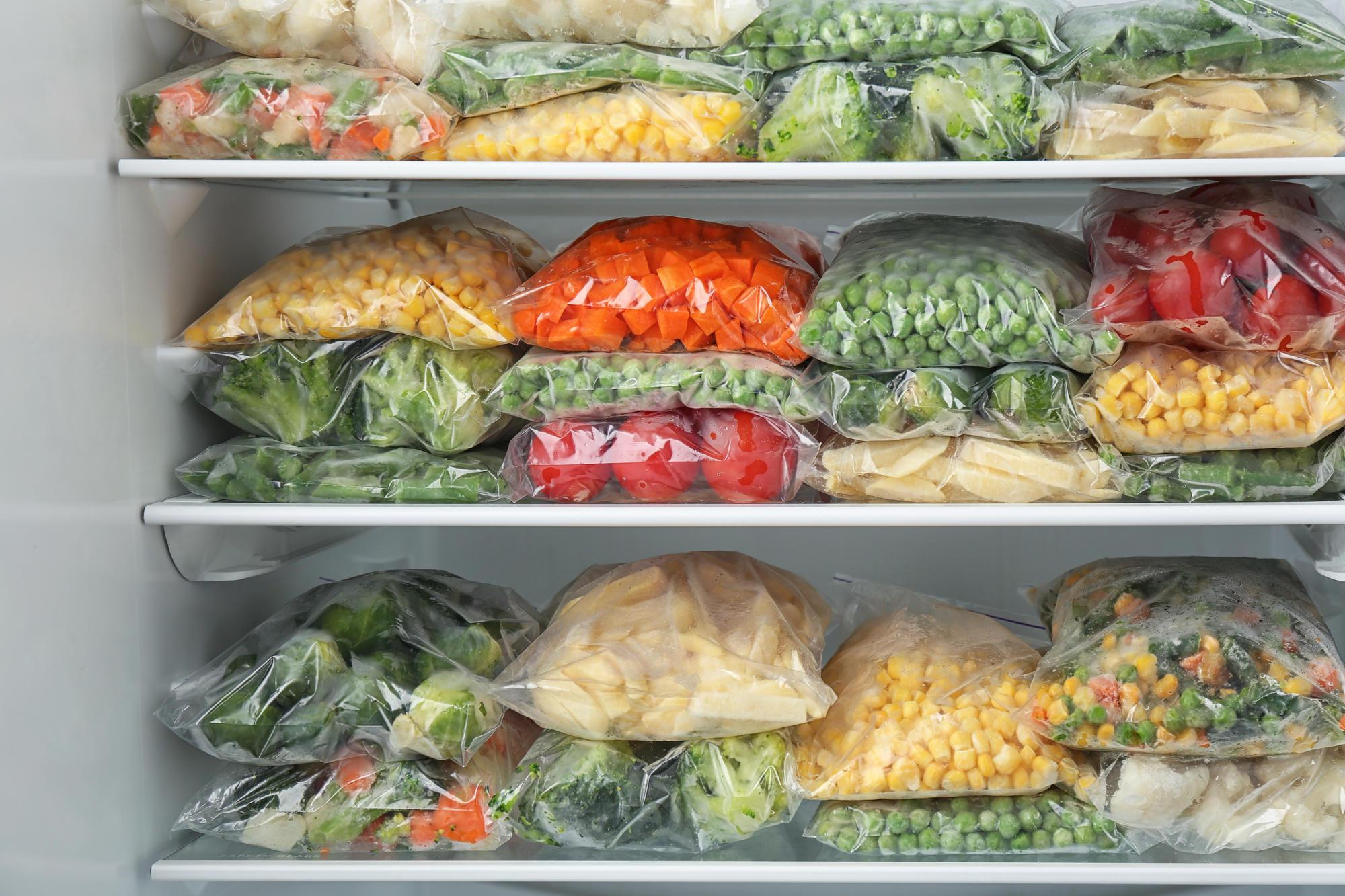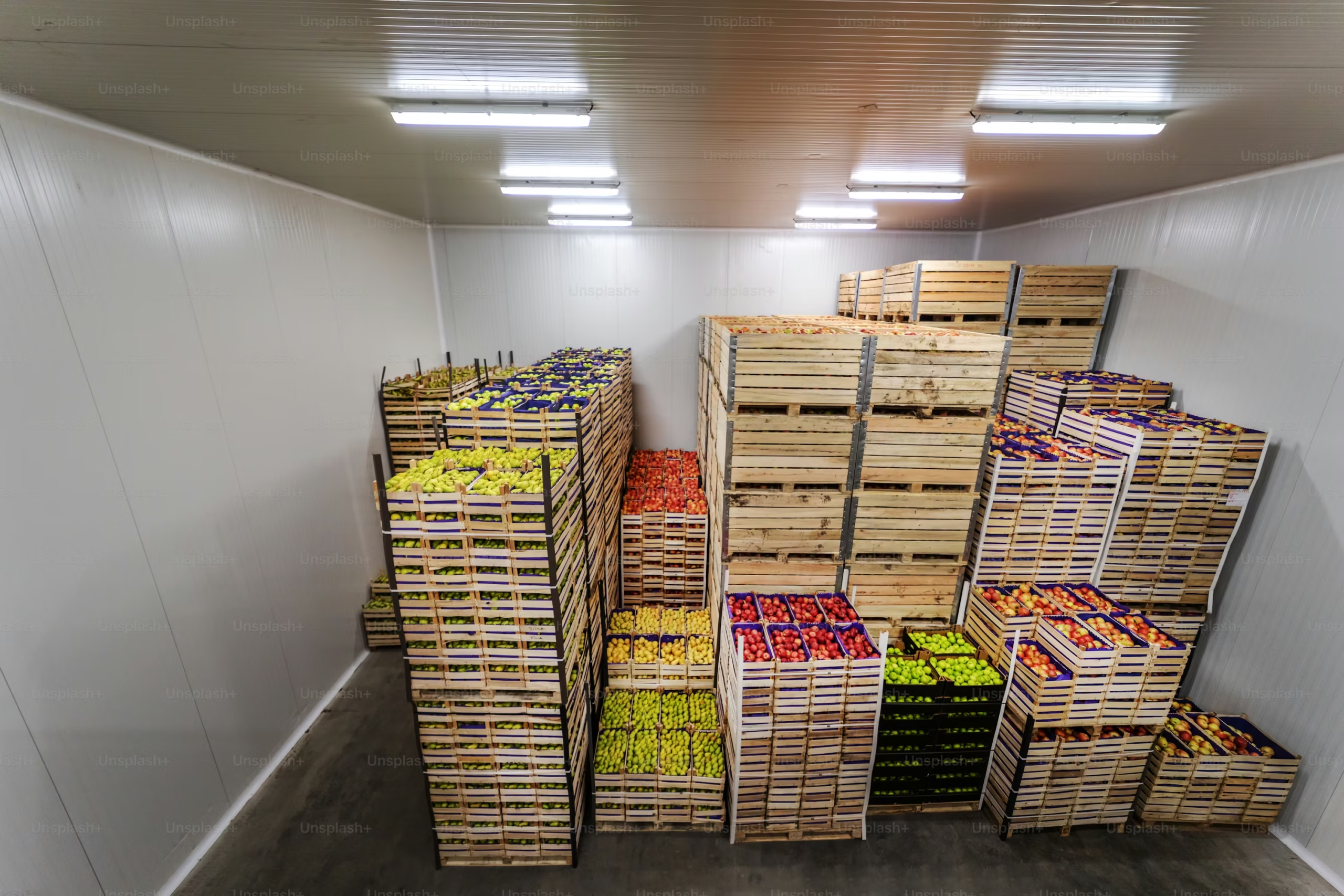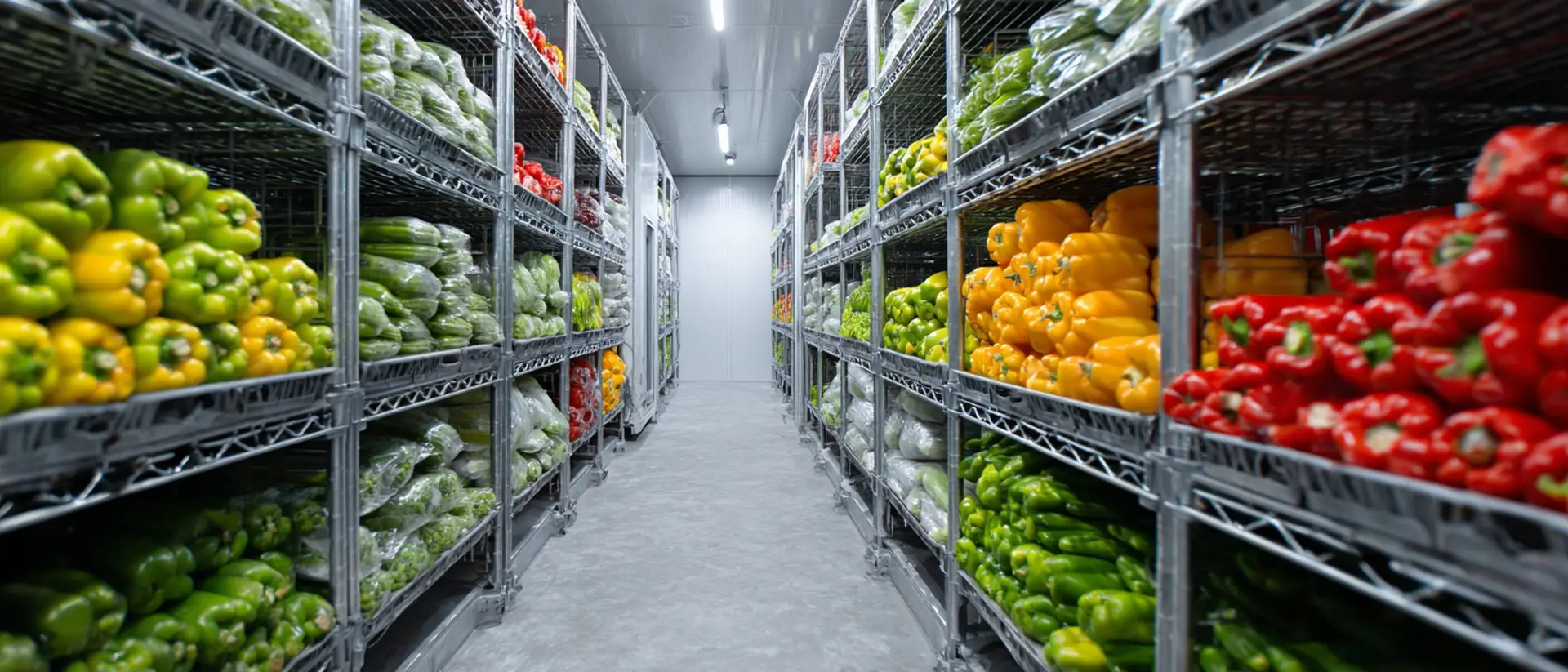
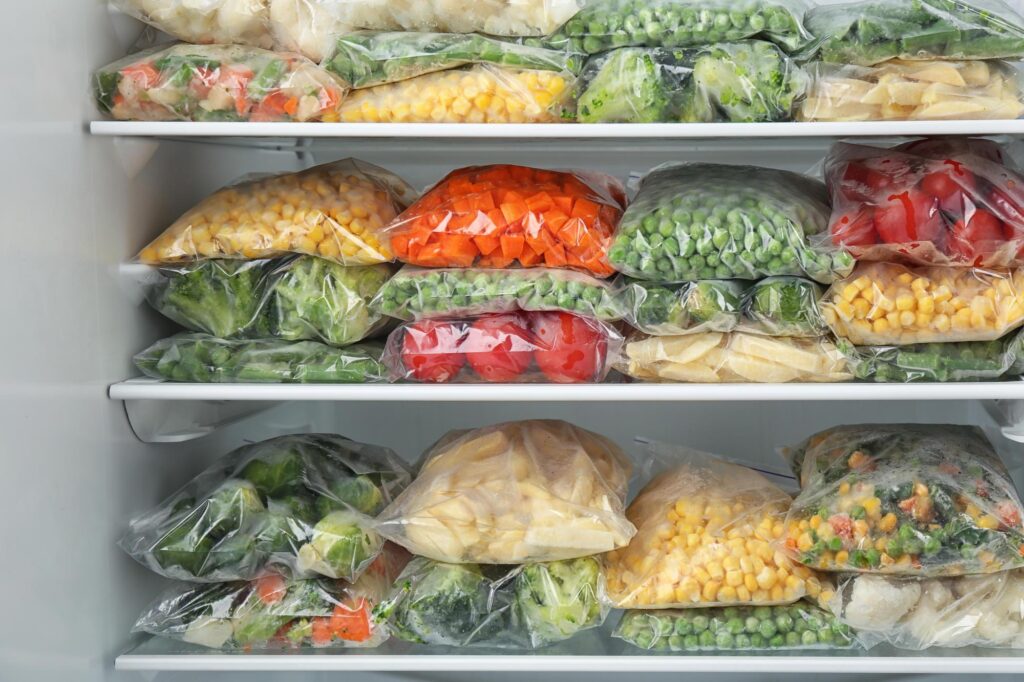
In the modern Saudi economy, frozen storage is the silent hero that ensures a family in Riyadh can enjoy imported poultry, a hospital in Jeddah can administer life-saving vaccines, and a café in Dammam can serve a perfectly chilled dessert. As the Kingdom accelerates toward its Vision 2030 goals, the demand for reliable, high-tech Frozen Storage is not just growing—it is transforming the logistics landscape.
Valued at over USD 2.4 billion in 2025 and expected to nearly triple to USD 6.25 billion by 2033, the Saudi cold storage market is growing at a robust 11.7% CAGR . The frozen storage segment dominates this market, holding a commanding share of the cold chain warehousing sector. This guide explores the dynamic frozen storage sectors in the key hubs of Dammam and Jeddah and demonstrates why Units is the top partner for your cold chain needs.
Frozen Storage: The Science of Preservation
Frozen storage refers to warehouse facilities specifically designed to maintain products at sub-zero temperatures, typically -18°C (0°F) or lower for general frozen food, and -20°C or lower for specialized sectors like ice cream and pharmaceuticals. Unlike chilled storage, frozen storage halts biological activity, effectively pausing the expiration clock on perishable goods.
Key requirements of modern frozen storage include:
- Industrial-Grade Refrigeration: Ability to maintain exact temperatures even when external temperatures exceed 45°C
- High-Performance Insulation: Specialized panels (often 150mm-200mm thick) that prevent thermal exchange and reduce energy costs
- Real-Time Monitoring (IoT): Sensors that provide 24/7 data on temperature and humidity, linked to central control towers
- Redundancy Systems: Backup generators and secondary refrigeration units to ensure zero downtime during power fluctuations
- SFDA Compliance: The Saudi Food and Drug Authority (SFDA) enforces strict regulations requiring certified facilities, calibrated temperature monitoring, and auditable logs
The cold storage segment dominates the Saudi market with a 38% share of the total cold chain market, driven by the Kingdom’s heavy reliance on warehousing for both imported and domestically produced temperature-sensitive goods .
Frozen Storage in Dammam: The Eastern Province Industrial Hub
Dammam, the capital of the Eastern Province, is a powerhouse for the oil & gas, petrochemical, and industrial sectors. The demand for Frozen Storage in Dammam is heavily influenced by logistics for food distributors, pharmaceutical companies, and the need to serve one of the Kingdom’s largest populations. The Eastern Region represents the largest regional market with a 30% share .
Strategic Importance of Dammam
The Eastern Province plays a vital role in Saudi Arabia’s cold chain ecosystem due to its logistics infrastructure, industrial zones, and port access. Key advantages include:
- Proximity to major ports and import routes – King Abdulaziz Port handles a significant portion of food imports
- Concentration of food processing and pharmaceutical companies
- Strong logistics and distribution networks
- High demand for regional and export-oriented cold storage
Major Industry Players in Dammam
The Eastern Province benefits from the presence of major established cold chain operators:
Almunajem Cold Stores operates branches across the Eastern Province including Dammam and Al-Ahsa, with a current total storage capacity of up to 50,000 tons. The company manages a fleet of over 900 vehicles equipped with advanced freezing and chilling units and holds HACCP and ISO 9001-2000 certifications .
Consolidated Gruenenfelder Saady (CGS) maintains a base in Dammam, providing large-scale industrial refrigeration systems and cold storage for pharmaceutical applications .
Hala Supply Chain Services has launched a certified chemical warehouse in Dammam’s Second Industrial Area, featuring temperature-controlled storage alongside DG and non-DG chemical storage capabilities with 18,000 pallet positions .
Products Ideal for Frozen Storage in Dammam
- Frozen meats, poultry, and seafood for industrial catering
- Pre-cooked meals for the oil & gas sector
- Ice cream and frozen dairy products
- Pharmaceuticals and biologics requiring stable temperatures
Frozen Storage in Jeddah: The Red Sea Gateway
Jeddah is the commercial gateway to the Red Sea and the primary entry point for imports destined for the holy cities of Makkah and Madinah. As such, Frozen Storage in Jeddah is critical for managing the massive flow of refrigerated containers entering the Kingdom.
Major Infrastructure Developments
Jeddah’s importance as a logistics hub has been reinforced by significant investments and the presence of multiple established players.
Salehiya operates state-of-the-art distribution centers in Jeddah with fully equipped warehouses featuring specialized zones for product labeling and packing. Their cold chain capabilities range from ambient to -80 degrees Celsius, with temperature-controlled zones maintaining optimal conditions at +2 to +8 degrees Celsius. Their logistics capability is supported by over 100 temperature-controlled vehicles, all connected in real-time to their control tower .
Hala Supply Chain Services has launched a 20,000m² SFDA-compliant temperature-controlled facility in Jeddah, designed specifically for pharma and FMCG products. The facility features real-time dashboards, WMS-powered operations, and scale-ready infrastructure .
Almunajem Cold Stores operates branches in Jeddah and Makkah as part of their nationwide network covering 12 regions .
Consolidated Gruenenfelder Saady (CGS) maintains a base in Jeddah offering large-scale industrial refrigeration systems, walk-in cold storage for restaurants, and cold storage for pharmaceutical applications .
Regional Market Leadership
The chilled temperature range (0°C to 15°C) holds the largest segment with a 40% market share , reflecting strong demand across the western region for dairy products, fresh produce, and beverages requiring consistent refrigeration throughout the supply chain.
Seasonal Demand Peaks
Jeddah’s frozen storage market experiences dramatic seasonal peaks driven by Hajj and Umrah pilgrimages. During these periods, demand for frozen meat, poultry, and prepared meals surges as hospitality providers serve millions of pilgrims. Facilities with surge capacity and flexible contracts are particularly valued in this environment.
Products Ideal for Frozen Storage in Jeddah
- Imported frozen fruits and vegetables
- Dairy products and frozen juices
- Ready-to-eat meals for hospitality
- Pharmaceuticals requiring strict temperature control
- Frozen bakery items and dough
Units: Your Trusted Partner for Frozen Storage
When your business demands frozen storage that is reliable, compliant, and strategically located, one company leads the market across Saudi Arabia: Units. As the top company for frozen storage solutions, Units combines local expertise with world-class infrastructure to ensure your cold chain never breaks.
Why Units is the Industry Leader
Precisely Calibrated Temperatures (-18°C to -24°C) : Units offers specialized freezing warehouses with consistently low temperatures, ideal for high-sensitivity goods such as frozen meats, poultry, seafood, ready-to-eat meals, ice cream, butter, frozen dairy, frozen vegetables and fruits, dough, and bakery items. Units maintains strict humidity and airflow control to prevent freezer burn .
SFDA Compliance and Food Safety : Units’ frozen warehouses are fully compliant with Saudi Food & Drug Authority regulations, ensuring adherence to the Kingdom’s strict regulatory standards for food and pharmaceutical storage. This is a critical requirement for any business handling frozen food products .
24/7 Visibility and Control : With a user-friendly online platform, clients can access their inventory 24/7. Track stock levels in real-time, conduct virtual audits, and generate reports instantly—all from any device. Units provides a proprietary warehouse management system that empowers customers to manage logistics operations easily .
Security and Monitoring : All Units facilities feature 24/7 security monitoring and camera surveillance. Warehouses are open Saturday to Thursday from 7 AM to 5 PM, with continuous online access for inventory management .
Flexible, Scalable Contracts : Units offers flexible contracts including month-to-month, 6-month, and 12-month options, allowing businesses to scale storage based on real operational needs without long-term commitments. You pay only for the space you use .
Strategic Nationwide Network : Units serves clients across the Kingdom with operations in Dammam, Jeddah, and Riyadh , ensuring reduced transit times and seamless cold chain solutions.
Don’t let temperature excursions spoil your goods or damage your reputation. Whether you need to store frozen meats, ice cream, or life-saving vaccines, Units provides the security and precision your frozen inventory deserves.
Visit units.sa today to schedule a consultation or a facility tour.
Conclusion
The frozen storage industry in Saudi Arabia is no longer just about storing food; it is a sophisticated, technology-driven sector essential for health and economic security. With the market expanding rapidly, driven by Vision 2030, the demand for reliable, sustainable, and specialized frozen storage has never been higher.
- Frozen Storage is the dominant segment, crucial for preserving food quality and extending shelf life. The Saudi cold chain market is valued at USD 3.5 Billion in 2025 and projected to reach USD 15.9 Billion by 2034 at an 18.31% CAGR .
- In Dammam, the market is powered by major players including Almunajem Cold Stores and Hala’s certified chemical warehouse with temperature-controlled storage, serving the industrial heartland of the Eastern Province .
- In Jeddah, the landscape is transformed by Salehiya’s cold chain capabilities ranging from ambient to -80°C backed by 100+ temperature-controlled vehicles , Almunajem’s operations, and CGS’s industrial refrigeration systems .
Units stands at the forefront of this transformation, offering SFDA-compliant, technology-driven, and scalable frozen storage solutions. Do not compromise on the safety of your frozen assets. Visit units.sa and discover the future of cold chain logistics.
Frequently Asked Questions (FAQs)
1. What temperature range does Units maintain for frozen storage?
Units maintains precisely calibrated temperatures between -18°C and -24°C for frozen storage, with strict humidity and airflow control to prevent freezer burn and preserve product quality. Units’ warehouses are compliant with Saudi Food & Drug Authority regulations, ensuring adherence to the Kingdom’s strict regulatory standards .
2. What frozen storage facilities are available in Dammam?
Dammam is served by major operators including Almunajem Cold Stores (operating across the Eastern Province with 50,000 tons capacity) , Consolidated Gruenenfelder Saady (CGS) (industrial refrigeration and pharmaceutical cold storage) , and Hala Supply Chain Services (temperature-controlled storage with 18,000 pallet positions) .
3. What cold chain facilities are available in Jeddah?
Jeddah is home to Salehiya (cold chain capabilities from ambient to -80°C with 100+ temperature-controlled vehicles) , Hala Supply Chain (20,000m² SFDA-compliant temperature-controlled facility) , Almunajem Cold Stores, and CGS for industrial refrigeration and pharmaceutical cold storage .
4. How is the Saudi frozen storage market growing?
The Saudi cold storage market is expected to reach USD 6,251.9 million by 2033, growing at an 11.7% CAGR . The broader cold chain market (including transportation) is valued at USD 3.5 Billion in 2025 and projected to reach USD 15.9 Billion by 2034 at an 18.31% CAGR .
5. How can I monitor my products in a frozen warehouse with Units?
Units provides every client with a secure 24/7 web portal showing real-time inventory levels. You can conduct audits, generate reports, and access warehouse information from any internet-connected device. Warehouses are open Saturday to Thursday, 7 AM to 5 PM, with continuous online access for inventory management .